Hardison
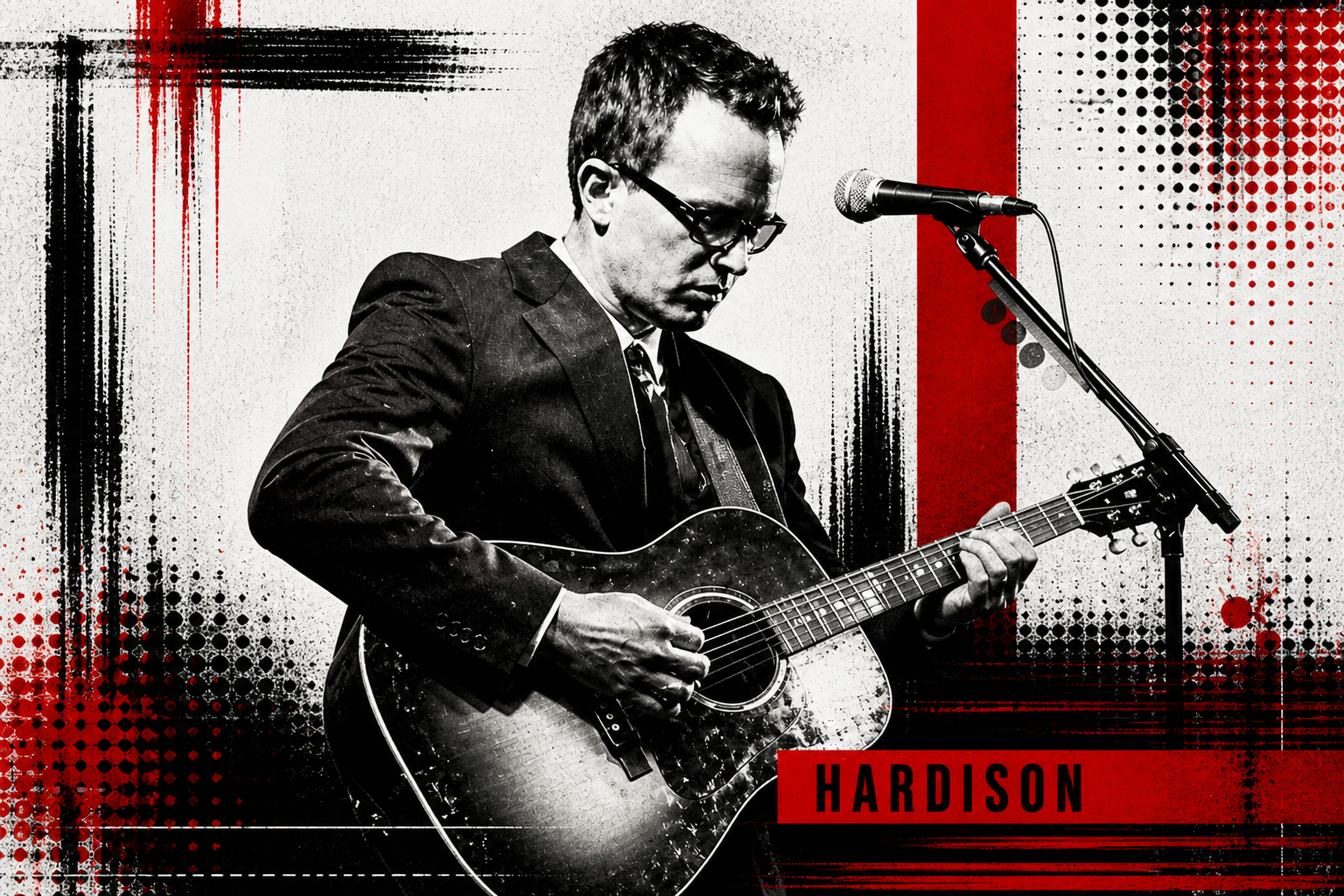
Hardison emerged from Seattle's vibrant independent music community in 2000, founded by Shawn "Hardyrock" Hardison as a genre-defying project that blended alternative rock, soul, groove-driven rhythms, and eclectic songwriting influences. The project's first official release, *Dead Comedians*, arrived on Dig Records—a label associated with artists such as Phat Sidy Smokehouse and Super Sonic Soulpimps—immediately placing Hardison within a creative network known for experimentation and artistic freedom. Around this period, Hardison performed live on KEXP, Seattle's influential tastemaker station, introducing audiences to a sound that reflected the city's tradition of boundary-pushing music and genre crossover.
Following the project's early momentum in Seattle, Hardison took the music on the road, touring throughout the southern United States. Backed by members of Rein Sanction, the live version of Hardison evolved into a collaborative band experience built around dynamic performances and a strong musical chemistry. These early tours helped shape a sound that combined textured guitars, melodic songwriting, and deep rhythmic grooves, creating a distinctive identity that resisted easy categorization.
By 2004, Hardison regrouped in Seattle with a newly assembled lineup, marking a more focused and ambitious chapter. The band began work on *Time and Cash*, a record that expanded the project's sonic palette while embracing the rich musical diversity that had become a hallmark of Seattle's creative scene. During this period, Hardison collaborated with Ishmael Butler of Digable Planets, further reinforcing the project's commitment to artistic exploration and cross-genre collaboration. The band also entered the world of visual storytelling with its first professionally funded music video for "Kodak," produced by Brian Udovich, an AFI Emmy Award winner, and directed by Tarin Anderson, known for her acclaimed work with The Decemberists, including "16 Military Wives." The project was beginning to develop not only musically but visually as well.
The release of *Time and Cash* in 2005 was followed by a West Coast tour that helped broaden Hardison's audience beyond the Pacific Northwest. Known for performances that balanced energy, atmosphere, and groove, the band cultivated a reputation for delivering shows that felt equally rooted in rock, soul, indie, and alternative traditions. Back home in Seattle, Hardison continued building steadily, maintaining a dedicated local following while writing and recording new material. Between 2005 and 2010, the project independently released three additional albums, further expanding its catalog and refining a sound shaped more by artistic curiosity than commercial expectations.
Eventually, Hardison entered a lengthy hiatus, stepping away from active recording and touring. Rather than marking an ending, the break provided space for reflection and growth. When the project returned in 2025 with *TALK HARD*, it did so independently and with renewed purpose. The album carried forward the spirit of the earlier releases while presenting a more mature and focused artistic vision, reflecting both the passage of time and the enduring commitment to creative independence.
Today, Hardison stands as an example of long-term artistic perseverance outside the traditional music industry framework. Rooted in Seattle's culture of innovation yet shaped by years of touring, collaboration, and reinvention, the project continues to evolve on its own terms. With a catalog spanning more than two decades and a sound informed by alternative rock, groove-oriented songwriting, soul, and independent spirit, Hardison remains committed to creating music without boundaries—continuing the same adventurous approach that defined its beginnings.