MC Hammer
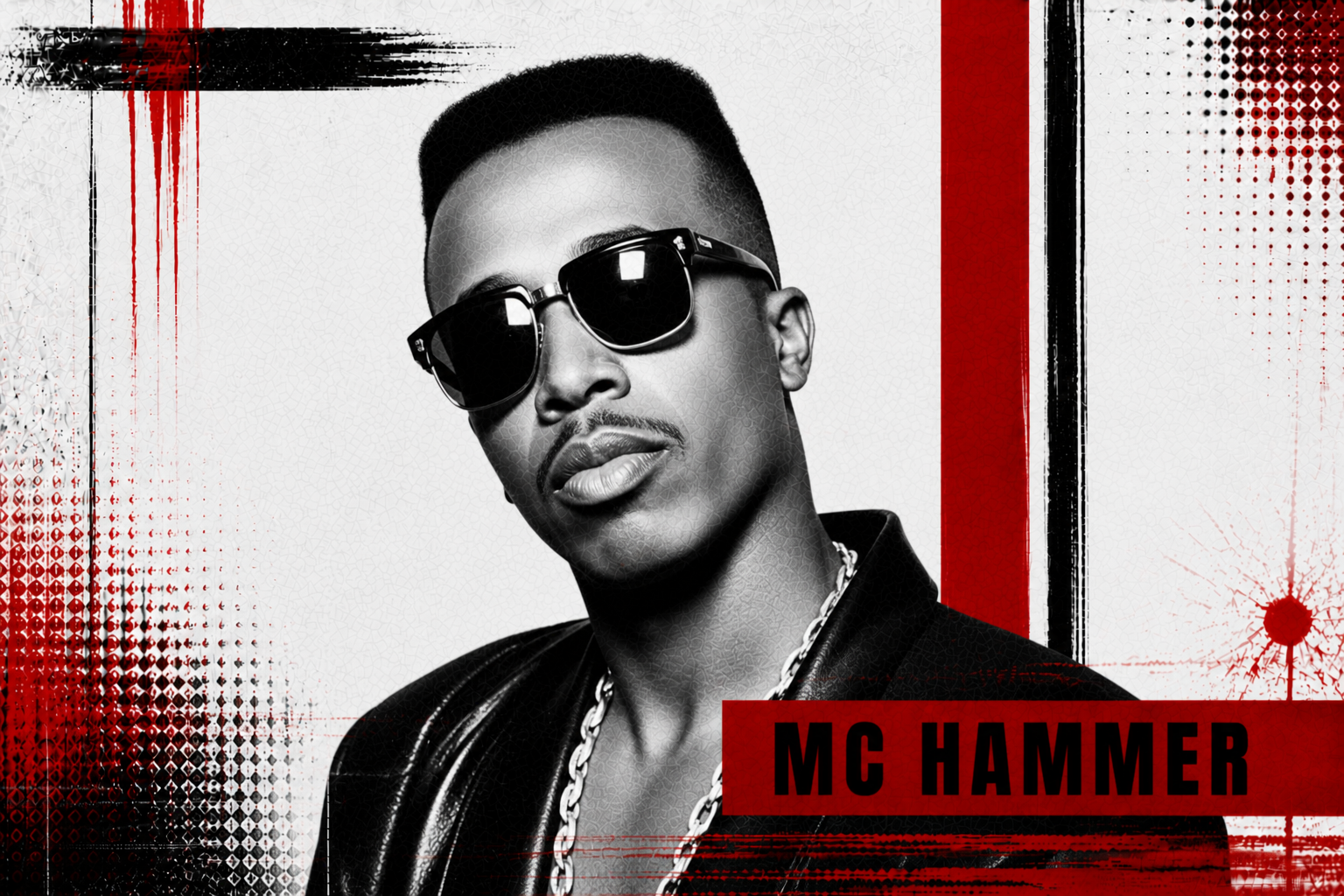
High-energy choreography, crossover ambition, and a polished blend of hip-hop and pop define the work of MC Hammer, an artist who helped bring rap music into mainstream pop culture on a global scale in the late 1980s and early 1990s. Emerging from Oakland, Hammer developed a performance-driven style that emphasized rhythm, movement, and accessibility, positioning his music within a broader entertainment framework that extended beyond traditional hip-hop boundaries.
Early releases established a foundation built on danceable grooves and sample-driven production, where rhythm functioned as the central element of each track. Songs from this period combined hip-hop structures with pop sensibilities, creating a sound designed for wide audience appeal. This approach allowed Hammer to reach listeners beyond core rap audiences, contributing to his rapid rise in visibility.
A defining breakthrough came with Please Hammer, Don’t Hurt ’Em, an album that achieved massive commercial success and introduced tracks like “U Can’t Touch This.” The song’s use of a recognizable sample and its emphasis on rhythm and repetition created an immediate connection, demonstrating how familiarity and innovation could coexist within a single track. This moment solidified Hammer’s place within the mainstream.
A central aspect of his artistry lies in the integration of music and performance, where choreography becomes as important as the sound itself. Live shows and videos feature coordinated dance routines, large ensembles, and visual spectacle, transforming songs into full-scale productions. This emphasis on movement distinguishes his work within hip-hop, aligning it more closely with pop and stage performance traditions.
His vocal delivery is characterized by clarity and rhythmic precision, often prioritizing cadence and phrasing over lyrical complexity. This approach reinforces the accessibility of his music, ensuring that the rhythmic foundation remains central to the listening experience.
As his career progressed, Hammer continued to explore variations within this framework, incorporating different production styles and attempting to adapt to shifts within hip-hop. These efforts reflect the challenges of maintaining relevance within a rapidly evolving genre while preserving a recognizable identity.
Live performance remained a key component of his impact, where the scale and energy of his shows created a direct connection with audiences. The combination of music, dance, and visual elements reinforced the immersive nature of his work, contributing to his reputation as a dynamic entertainer.
His influence can be seen in the continued blending of hip-hop with pop and dance elements, particularly in the emphasis on performance and visual presentation. By demonstrating how these elements could intersect, Hammer contributed to a broader understanding of what hip-hop could achieve in mainstream contexts.
Throughout his career, he has remained a recognizable cultural figure, associated with a specific moment when hip-hop expanded its reach into global pop markets. This association reflects both his success and the broader transformation of the genre during that period.
MC Hammer’s legacy is defined by energy, accessibility, and crossover impact, illustrating how music can extend beyond sound into performance and spectacle. His work continues to resonate as a representation of a time when hip-hop reached new audiences, shaping the way artists approach both music and presentation in the modern era.