Napoleon XIV
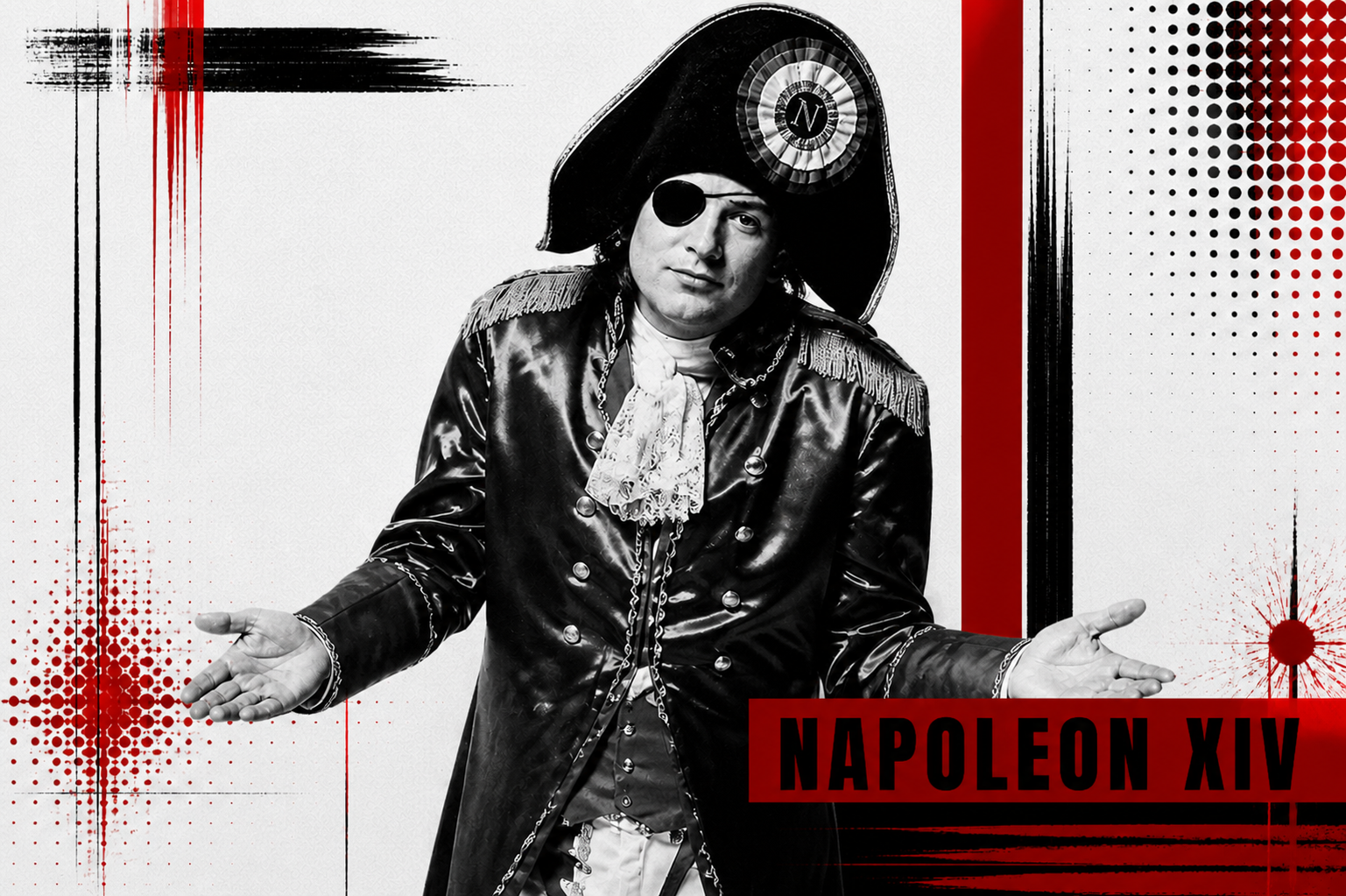
A surreal blend of novelty songwriting, tape manipulation, and dark humor defines the work of Napoleon XIV, the alias of Jerry Samuels, who carved out a singular moment in 1960s pop culture with an approach that blurred the line between music and audio experiment. Emerging in 1966, the project centered on the unexpected success of a single track that relied less on melody and more on concept, rhythm, and escalating vocal performance.
Early work was rooted in traditional songwriting and production, but the creation of “They’re Coming to Take Me Away, Ha-Haaa!” marked a radical departure from conventional pop structure. Built around a marching snare pattern and a spoken vocal that gradually increases in pitch and intensity, the track uses tape-speed manipulation as a central compositional tool. This technique transforms the voice into an evolving instrument, creating a sense of instability that mirrors the narrative’s progression.
A defining aspect of the project lies in its use of repetition and minimalism, where a single rhythmic idea and vocal motif are developed through variation rather than expansion. The absence of harmonic complexity shifts the focus entirely onto delivery and concept, allowing the track to function as both a piece of music and a form of audio storytelling.
The lyrical content introduces a darkly comedic perspective, presenting a character whose mental state deteriorates over the course of the recording. This narrative, combined with the unconventional production, challenged expectations of what could be presented within a pop format, contributing to both the song’s notoriety and its cultural impact.
Production techniques play a central role in shaping the identity of Napoleon XIV, with tape manipulation, speed variation, and simple percussion forming the core elements. These methods highlight the studio as a creative instrument, anticipating later experimental approaches within both pop and avant-garde music.
The success of the single brought attention to the possibilities of novelty records as more than comedic diversions, demonstrating that unconventional ideas could achieve mainstream visibility. At the same time, the controversial nature of the subject matter limited the project’s longevity, positioning it as a moment rather than an ongoing movement.
Follow-up releases attempted to build on the initial concept, often leaning further into humor and experimentation, but none achieved the same level of cultural resonance. This outcome reinforces the singular nature of the original recording, which remains the defining element of the project’s legacy.
Influence can be traced through later novelty and experimental acts that use minimal structures and studio techniques to create distinctive sonic identities. By demonstrating how concept and production can drive a piece of music, Napoleon XIV contributed to a broader understanding of creative possibilities within recording.
The project’s place within music history is tied to its ability to disrupt expectations, offering a form of expression that operates outside traditional genre boundaries. Its impact lies not in sustained output, but in the strength and uniqueness of a single idea executed with precision.
Napoleon XIV’s legacy is defined by experimentation, narrative, and the use of technology as a compositional tool, illustrating how even a brief moment in popular music can leave a lasting impression through originality and bold execution.