
ArtistDirect News
Hollywood Faces Rising Costs as States Offer Tax Incentives, Senators Push for Federal Credit
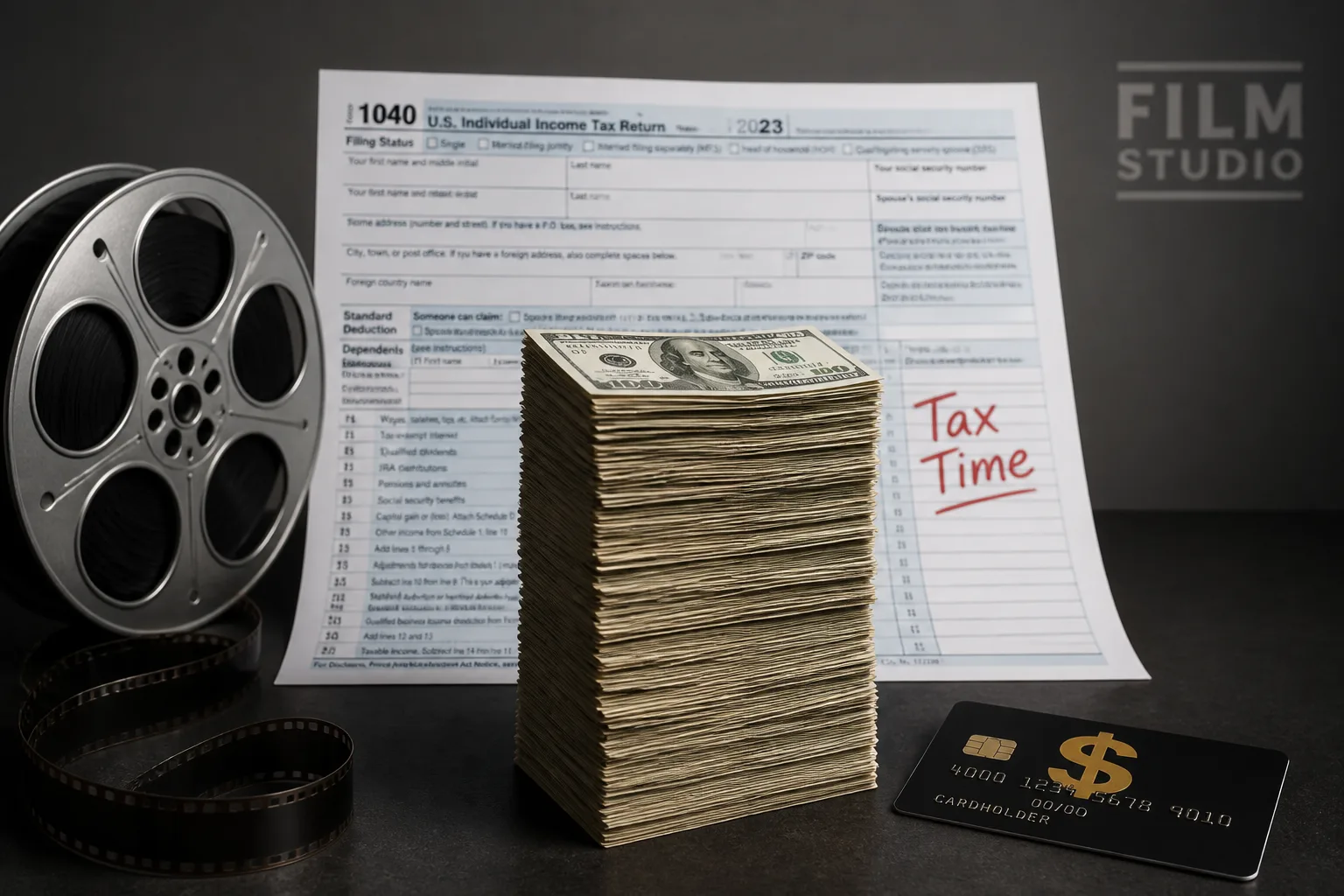
Hollywood’s glittering skyline is dimming as production costs soar and states scramble to lure the industry with tax breaks. The once‑unassailable hub of motion‑picture production is now grappling with a sharp rise in labor rates, a high cost of living, and union agreements that push budgets beyond the limits of Los Angeles. As a result, studios are increasingly filming abroad, and the city’s competitive edge is being questioned.
Senator Adam Schiff (D‑CA) has drafted a federal film‑production tax credit that he says is essential for the United States to stay competitive. In a March interview with Variety, Schiff explained that the bill was “largely drafted” and that bipartisan support was still required. He cited President Trump’s announcement of a 100 % tariff on films produced overseas and argued that Congress should instead offer a globally competitive incentive to bring jobs back to America.
Across the country, a patchwork of state and territorial incentives has emerged. Georgia’s program, launched in 2005, offers a credit of up to 30 % of in‑state production expenses for projects spending at least $500,000 in the state. The credit is uncapped, but a 2023 audit by Georgia State University calculated a fiscal return on investment of 0.19 for FY 2024, indicating an 81 % loss. The audit also revealed that 97 % of credits issued in 2016 were sold to other taxpayers, while less than 1 % were used by production companies to offset their own tax liabilities.
Virginia’s 2017 tax‑credit program produced similarly negligible results, with little impact on location decisions or state economic return. Massachusetts, which funded 60 % of the production budget for Netflix’s Don’t Look Up in 2021, reportedly spent $118,000 per net job created. Georgia’s incentives cost the state $160,009 for every net job, according to the 2023 audit. California has doubled its incentive budget to $750 million in 2025 under Governor Gavin Newsom, covering above‑the‑line salaries for actors, writers and producers, but critics argue it still lags behind other states.
The incentive race has driven a “race to the bottom” as states compete for the most generous packages. The result has been a proliferation of empty production facilities, especially in Georgia, where a 2024 Wall Street Journal report noted that many studios were idle. Major studios such as Marvel have moved high‑budget projects to the United Kingdom, citing lower labor and production costs.
Industry analysts point out that tax incentives rarely translate into job growth. A 2016 Variety article, citing a study, called film tax incentives a “giant waste of money.” The same study found little or no job growth in states that implemented incentives, reinforcing the skepticism that the economic benefits promised by these programs are overstated.
Hollywood’s box‑office receipts and ticket sales remain below pre‑pandemic levels, reflecting broader economic challenges. The combination of high production costs in Los Angeles and the allure of cheaper, incentive‑rich locations has accelerated the exodus of film and television projects from the West Coast.
The debate over federal versus state incentives continues. Schiff’s draft bill seeks to provide a 15 % federal credit for labor costs, roughly equivalent to Canada’s incentive, but without bipartisan support the measure remains stalled. Industry stakeholders watch closely as the outcome will determine whether Hollywood can maintain its historical role as the world’s entertainment capital.
Until a national policy takes shape or state programs prove their worth, the industry faces a choice: continue relying on incentives that may not deliver promised benefits, or pursue a more unified approach that could level the playing field. The decision will shape the future of American filmmaking.
Senator Adam Schiff (D‑CA) has drafted a federal film‑production tax credit that he says is essential for the United States to stay competitive. In a March interview with Variety, Schiff explained that the bill was “largely drafted” and that bipartisan support was still required. He cited President Trump’s announcement of a 100 % tariff on films produced overseas and argued that Congress should instead offer a globally competitive incentive to bring jobs back to America.
Across the country, a patchwork of state and territorial incentives has emerged. Georgia’s program, launched in 2005, offers a credit of up to 30 % of in‑state production expenses for projects spending at least $500,000 in the state. The credit is uncapped, but a 2023 audit by Georgia State University calculated a fiscal return on investment of 0.19 for FY 2024, indicating an 81 % loss. The audit also revealed that 97 % of credits issued in 2016 were sold to other taxpayers, while less than 1 % were used by production companies to offset their own tax liabilities.
Virginia’s 2017 tax‑credit program produced similarly negligible results, with little impact on location decisions or state economic return. Massachusetts, which funded 60 % of the production budget for Netflix’s Don’t Look Up in 2021, reportedly spent $118,000 per net job created. Georgia’s incentives cost the state $160,009 for every net job, according to the 2023 audit. California has doubled its incentive budget to $750 million in 2025 under Governor Gavin Newsom, covering above‑the‑line salaries for actors, writers and producers, but critics argue it still lags behind other states.
The incentive race has driven a “race to the bottom” as states compete for the most generous packages. The result has been a proliferation of empty production facilities, especially in Georgia, where a 2024 Wall Street Journal report noted that many studios were idle. Major studios such as Marvel have moved high‑budget projects to the United Kingdom, citing lower labor and production costs.
Industry analysts point out that tax incentives rarely translate into job growth. A 2016 Variety article, citing a study, called film tax incentives a “giant waste of money.” The same study found little or no job growth in states that implemented incentives, reinforcing the skepticism that the economic benefits promised by these programs are overstated.
Hollywood’s box‑office receipts and ticket sales remain below pre‑pandemic levels, reflecting broader economic challenges. The combination of high production costs in Los Angeles and the allure of cheaper, incentive‑rich locations has accelerated the exodus of film and television projects from the West Coast.
The debate over federal versus state incentives continues. Schiff’s draft bill seeks to provide a 15 % federal credit for labor costs, roughly equivalent to Canada’s incentive, but without bipartisan support the measure remains stalled. Industry stakeholders watch closely as the outcome will determine whether Hollywood can maintain its historical role as the world’s entertainment capital.
Until a national policy takes shape or state programs prove their worth, the industry faces a choice: continue relying on incentives that may not deliver promised benefits, or pursue a more unified approach that could level the playing field. The decision will shape the future of American filmmaking.