ArtistDirect News
AI Music Platforms Suno and Udio Face Major Copyright Lawsuits; Spotify Adds AI Voiceovers Amid Artist Allegations
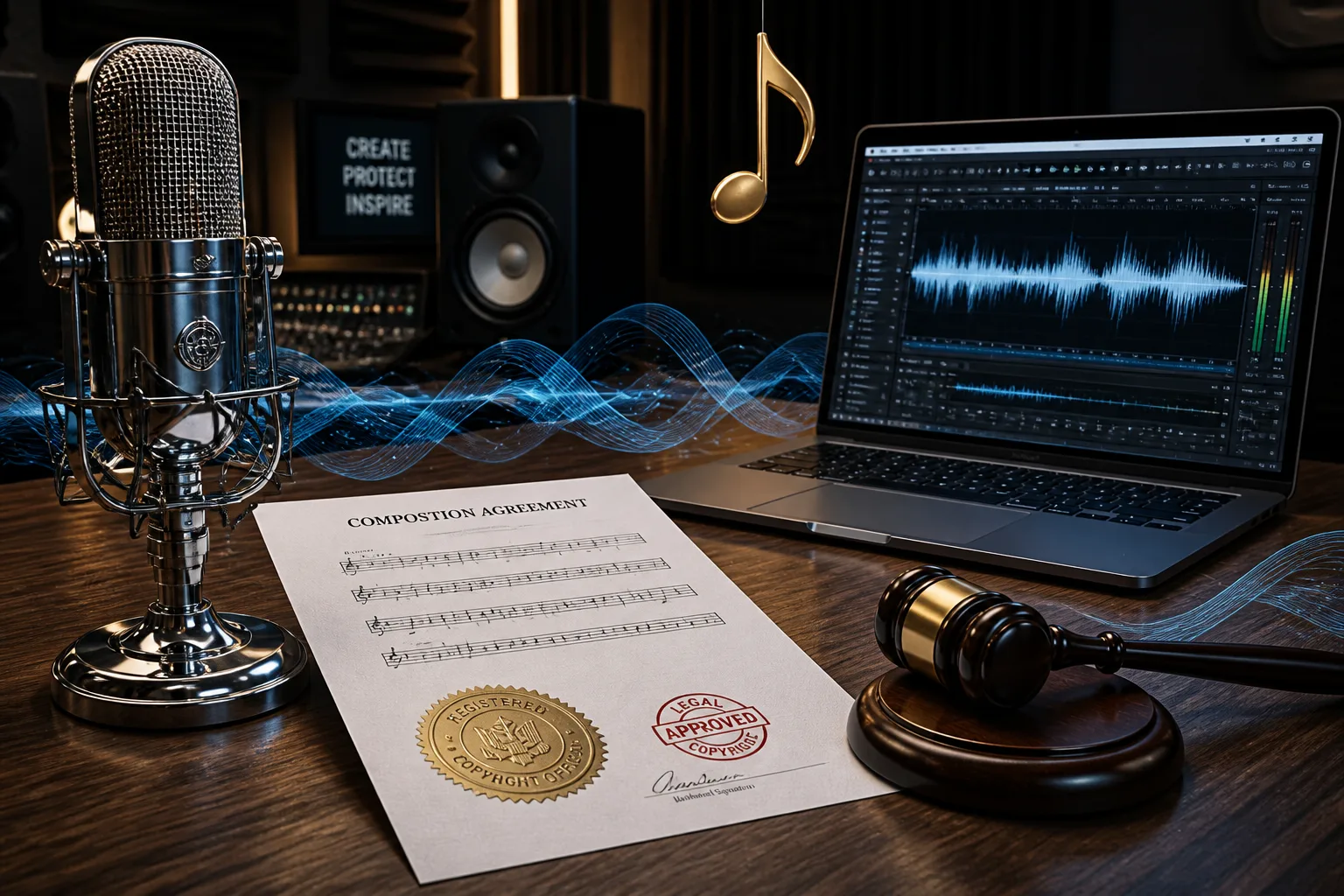
In a series of high‑profile legal actions that are reshaping the intersection of artificial intelligence and music, the Recording Industry Association of America (RIAA) has sued AI‑music generators Suno and Udio for using copyrighted recordings in their training data. The lawsuits, filed in October 2023 and expanded in January 2026, claim that both platforms incorporated millions of songs without obtaining licenses.
Audio‑fingerprinting analysis released in June 2026 identified large portions of Suno’s training set as copyrighted material. The RIAA’s case against Suno is now heading to a summary‑judgment hearing scheduled for July 2026. In parallel, the Udio lawsuit, which began in 2023, has reached a settlement with Universal Music Group. Universal announced the agreement in October 2025, and Warner Music Group subsequently withdrew its earlier claim against Udio. Sony Music remains the only major label that has not yet settled and is still pursuing legal action.
The plaintiffs’ law firm, known for its work in the tobacco industry, has been cited in the Suno case as the same firm that previously extracted a quarter‑trillion dollars from tobacco litigation. The firm’s involvement has drawn attention to the broader legal strategy being employed against AI‑music companies.
While the AI lawsuits are unfolding, Spotify has entered the spotlight for a different reason. A group of independent artists has filed a lawsuit alleging that the streaming platform’s recommendation algorithms favor releases from major labels over independent music. The suit, filed in March 2026, claims that Spotify’s paid “verified” badge and playlist placement practices create a competitive imbalance that harms smaller artists.
In a related development, Spotify announced in May 2026 that it is now offering AI‑generated voiceovers for advertisements and commercial spots. The feature, which uses the platform’s own AI technology, is marketed as a cost‑effective alternative to hiring voice actors. The move has sparked concern among professionals who rely on voiceover work, as the company positions the new tool as a direct competitor.
Industry observers note that the convergence of AI‑generated music and streaming services is prompting a reevaluation of licensing models. The Suno and Udio cases highlight the difficulty of determining whether training data that includes copyrighted works constitutes fair use. The outcomes of these lawsuits are expected to influence how AI‑music platforms negotiate licenses and how record labels protect their catalogs.
Spotify’s lawsuit underscores ongoing tensions between streaming services and artists over royalty structures and algorithmic transparency. While the platform has defended its practices as fair and data‑driven, the artists’ claim points to a perceived lack of equity for independent creators.
The legal battles are part of a broader trend in which major labels are increasingly asserting control over digital music production. Warner, Universal, and Sony have each pursued litigation against AI‑music companies, and the settlements reached with Suno and Udio may set precedents for future licensing agreements.
As of the latest filings, Suno’s case is pending a July 2026 hearing, Udio’s settlement with Universal is in effect, and Sony’s lawsuit remains active. Spotify’s new AI voiceover service is live, and the artist lawsuit remains in early stages.
The outcomes of these cases will likely shape the future of AI‑generated music and streaming platform policies, potentially redefining how artists, labels, and technology companies collaborate and compete in the evolving digital music landscape.
Audio‑fingerprinting analysis released in June 2026 identified large portions of Suno’s training set as copyrighted material. The RIAA’s case against Suno is now heading to a summary‑judgment hearing scheduled for July 2026. In parallel, the Udio lawsuit, which began in 2023, has reached a settlement with Universal Music Group. Universal announced the agreement in October 2025, and Warner Music Group subsequently withdrew its earlier claim against Udio. Sony Music remains the only major label that has not yet settled and is still pursuing legal action.
The plaintiffs’ law firm, known for its work in the tobacco industry, has been cited in the Suno case as the same firm that previously extracted a quarter‑trillion dollars from tobacco litigation. The firm’s involvement has drawn attention to the broader legal strategy being employed against AI‑music companies.
While the AI lawsuits are unfolding, Spotify has entered the spotlight for a different reason. A group of independent artists has filed a lawsuit alleging that the streaming platform’s recommendation algorithms favor releases from major labels over independent music. The suit, filed in March 2026, claims that Spotify’s paid “verified” badge and playlist placement practices create a competitive imbalance that harms smaller artists.
In a related development, Spotify announced in May 2026 that it is now offering AI‑generated voiceovers for advertisements and commercial spots. The feature, which uses the platform’s own AI technology, is marketed as a cost‑effective alternative to hiring voice actors. The move has sparked concern among professionals who rely on voiceover work, as the company positions the new tool as a direct competitor.
Industry observers note that the convergence of AI‑generated music and streaming services is prompting a reevaluation of licensing models. The Suno and Udio cases highlight the difficulty of determining whether training data that includes copyrighted works constitutes fair use. The outcomes of these lawsuits are expected to influence how AI‑music platforms negotiate licenses and how record labels protect their catalogs.
Spotify’s lawsuit underscores ongoing tensions between streaming services and artists over royalty structures and algorithmic transparency. While the platform has defended its practices as fair and data‑driven, the artists’ claim points to a perceived lack of equity for independent creators.
The legal battles are part of a broader trend in which major labels are increasingly asserting control over digital music production. Warner, Universal, and Sony have each pursued litigation against AI‑music companies, and the settlements reached with Suno and Udio may set precedents for future licensing agreements.
As of the latest filings, Suno’s case is pending a July 2026 hearing, Udio’s settlement with Universal is in effect, and Sony’s lawsuit remains active. Spotify’s new AI voiceover service is live, and the artist lawsuit remains in early stages.
The outcomes of these cases will likely shape the future of AI‑generated music and streaming platform policies, potentially redefining how artists, labels, and technology companies collaborate and compete in the evolving digital music landscape.