
ArtistDirect News
50 Cent to Headline Trump Jr.s Executive Branch Club as America Prepares for 250th Birthday
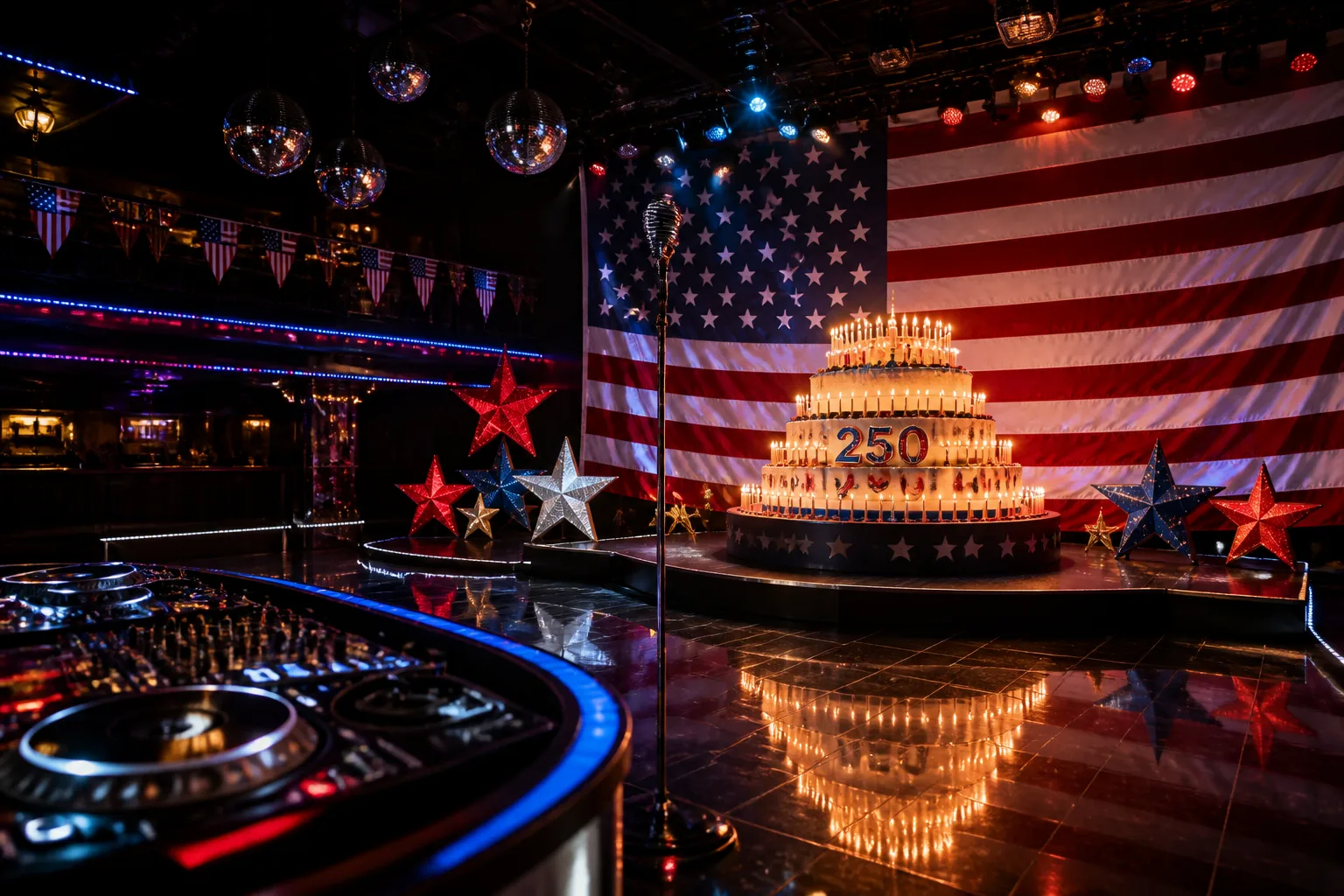
On Friday, July 3, 2026, Grammy‑winning rapper Curtis “50 Cent” Jackson will take the stage at the Executive Branch, a members‑only club in Washington, D.C. that is co‑owned by Donald Trump Jr. The performance comes on the eve of the United States’ 250th birthday celebrations.
The club, which opened in Georgetown in 2025, has been described as a private venue for the MAGA elite. Membership reportedly costs over $500,000 and requires referrals. The club’s unmarked entrance has attracted attention from political insiders and high‑profile guests.
Jackson’s appearance has attracted media interest because of his public stance on the potential presidential pardon of music mogul Sean “Diddy” Combs. Combs, who was convicted in 2025 of transportation to engage in prostitution, is currently serving a 50‑month sentence at the Federal Correctional Institution in Fort Dix. In September 2025, he was sentenced after a trial that began in May.
In February 2026, President Donald Trump indicated that he was considering clemency for several high‑profile figures, including Combs. According to CBS News, Trump had discussed the possibility of a pardon with advisers and had privately spoken about the matter. Trump’s comments, reported by multiple outlets, stated that he would “look at the facts” and that the decision would not be influenced by personal opinions.
Jackson had previously expressed a desire to ensure that Combs would not receive a pardon. In a now‑deleted Instagram post, the rapper said he would “reach out” to Trump to convey his feelings about the situation. The post was removed before it could be viewed by the public. After headlines suggested that Jackson was attempting to sabotage a possible pardon, he clarified that he had not intended to “nuke” the process but simply wanted to make sure the president was aware of his stance.
The timing of Jackson’s performance is notable. The club’s event is part of the broader 250th birthday celebrations that will include concerts, festivals, and political gatherings across the country. The choice of venue—directly linked to Trump Jr.—and the rapper’s public comments about the pardon debate suggest a deliberate intersection of music and politics.
From a career perspective, Jackson’s appearance at the Executive Branch marks a return to a high‑profile stage after several years focused on television and business ventures. His debut studio album, Get Rich or Die Tryin’ (2003), earned a Grammy Award and established him as a dominant figure in hip‑hop. More recently, he has expanded into film production and real‑estate investment.
The event also underscores the continued relevance of celebrity influence in political discourse. While the club’s membership is limited to a small elite, the presence of a mainstream artist like Jackson signals an attempt to bridge entertainment and policy discussions.
As the United States approaches its 250th anniversary, the convergence of music, politics, and public policy will likely remain a focal point. Jackson’s performance at the Executive Branch, coupled with the ongoing debate over Combs’ clemency, illustrates how cultural figures can intersect with and potentially impact governmental decisions.
The event will take place on July 3, 2026, and is expected to draw a select audience of club members and political insiders. No official statement has been released regarding the outcome of the pardon discussion.
The performance and the surrounding controversy highlight the complex relationship between the music industry and political power structures in the United States.
The club, which opened in Georgetown in 2025, has been described as a private venue for the MAGA elite. Membership reportedly costs over $500,000 and requires referrals. The club’s unmarked entrance has attracted attention from political insiders and high‑profile guests.
Jackson’s appearance has attracted media interest because of his public stance on the potential presidential pardon of music mogul Sean “Diddy” Combs. Combs, who was convicted in 2025 of transportation to engage in prostitution, is currently serving a 50‑month sentence at the Federal Correctional Institution in Fort Dix. In September 2025, he was sentenced after a trial that began in May.
In February 2026, President Donald Trump indicated that he was considering clemency for several high‑profile figures, including Combs. According to CBS News, Trump had discussed the possibility of a pardon with advisers and had privately spoken about the matter. Trump’s comments, reported by multiple outlets, stated that he would “look at the facts” and that the decision would not be influenced by personal opinions.
Jackson had previously expressed a desire to ensure that Combs would not receive a pardon. In a now‑deleted Instagram post, the rapper said he would “reach out” to Trump to convey his feelings about the situation. The post was removed before it could be viewed by the public. After headlines suggested that Jackson was attempting to sabotage a possible pardon, he clarified that he had not intended to “nuke” the process but simply wanted to make sure the president was aware of his stance.
The timing of Jackson’s performance is notable. The club’s event is part of the broader 250th birthday celebrations that will include concerts, festivals, and political gatherings across the country. The choice of venue—directly linked to Trump Jr.—and the rapper’s public comments about the pardon debate suggest a deliberate intersection of music and politics.
From a career perspective, Jackson’s appearance at the Executive Branch marks a return to a high‑profile stage after several years focused on television and business ventures. His debut studio album, Get Rich or Die Tryin’ (2003), earned a Grammy Award and established him as a dominant figure in hip‑hop. More recently, he has expanded into film production and real‑estate investment.
The event also underscores the continued relevance of celebrity influence in political discourse. While the club’s membership is limited to a small elite, the presence of a mainstream artist like Jackson signals an attempt to bridge entertainment and policy discussions.
As the United States approaches its 250th anniversary, the convergence of music, politics, and public policy will likely remain a focal point. Jackson’s performance at the Executive Branch, coupled with the ongoing debate over Combs’ clemency, illustrates how cultural figures can intersect with and potentially impact governmental decisions.
The event will take place on July 3, 2026, and is expected to draw a select audience of club members and political insiders. No official statement has been released regarding the outcome of the pardon discussion.
The performance and the surrounding controversy highlight the complex relationship between the music industry and political power structures in the United States.