
ArtistDirect News
Veteran Singer Petula Clark Warns AI Could Threaten Human Connection in Music
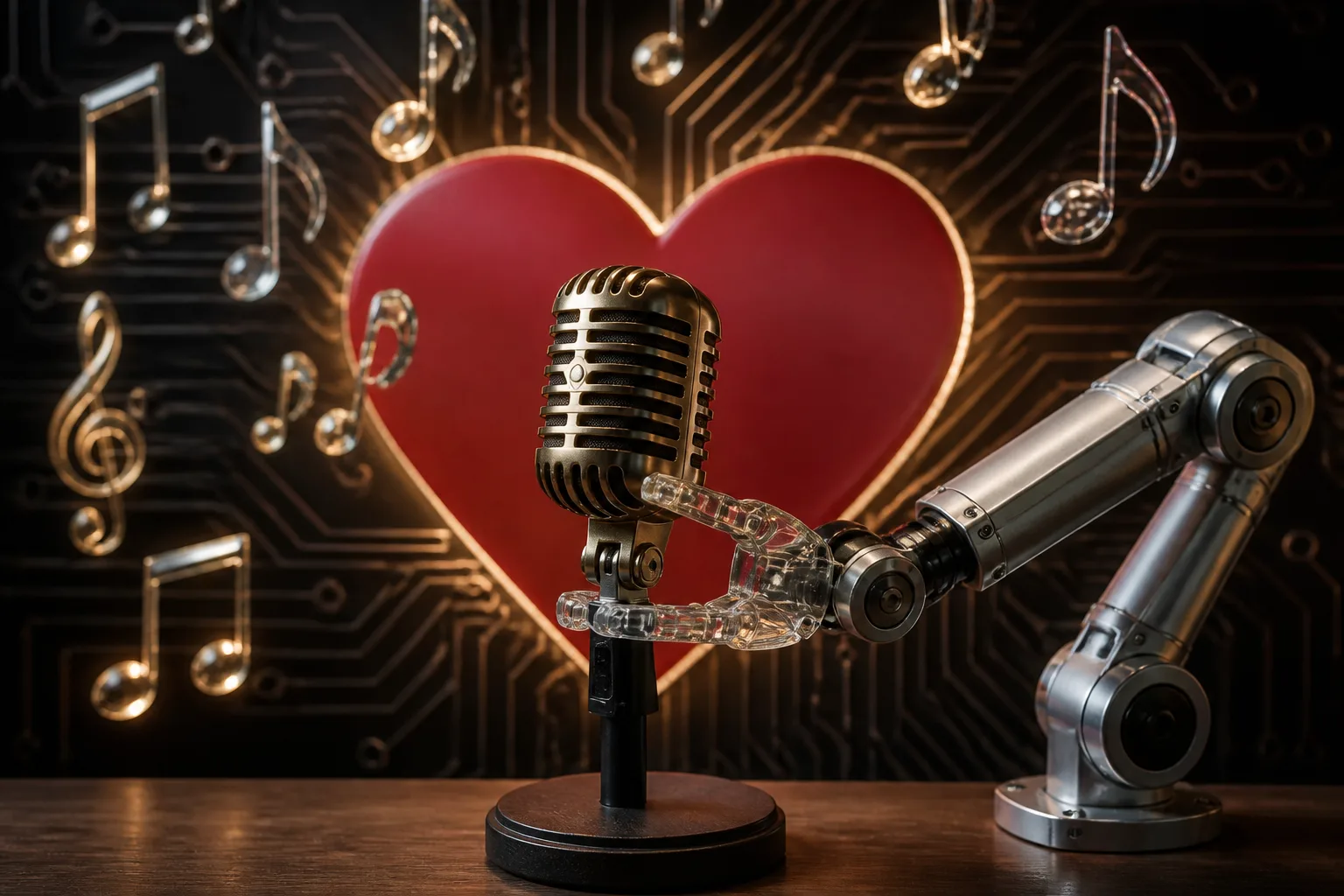
Petula Clark, 93, said on a recent interview in Collonge‑Bellerive, Switzerland, that artificial intelligence could one day replace the warmth and emotion that a human voice brings to a song. The British singer, best known for the 1964 hit “Downtown,” expressed concern that AI-generated music might erode the personal link between performer and audience.
In the interview, Clark noted that she and other artists are uneasy about the possibility that AI will eventually produce music with “emotion.” She added that while electronic tools have long been part of studio work, she wonders how long the human element will survive. The singer said her vocal range has shifted lower with age, but she still feels the “magic” in her voice.
Clark, who began her career on BBC radio in 1942, has remained active for more than eight decades. She married French publicist Claude Wolff in 1961 and embraced French-language songs, achieving major success in France as well as the UK and the US. Her 1964 single “Downtown,” written by Tony Hatch, topped the US charts and earned her a Grammy. The song was originally a melody without lyrics when Hatch first played it.
The singer also mentioned a forthcoming concert in a London theatre, possibly later this year. She described the event as “very important” and “emotional,” and hinted it could be her last. Clark said she looks forward to the “communion with an audience” and that nothing compares to performing live.
Beyond her performance career, Clark has worked in film and theatre. She appeared with Alec Guinness, Fred Astaire and Peter O’Toole, and starred in musical productions such as Finian’s Rainbow, The Sound of Music, Sunset Boulevard and Mary Poppins. She has received a Golden Globe nomination for Best Actress in a Musical and BAFTA nominations for her stage work.
Clark’s autobiography, “Is That You, Petula?” recounts her early life, her time in Geneva since the mid‑1960s, and her interactions with fans. She said she hopes she has brought happiness to people over the decades.
The singer’s comments come amid a broader industry debate about AI‑generated music. Recent developments have seen labels launch AI‑generated content divisions, and the technology can now produce vocal performances that mimic human emotion. Industry analysts note that while AI can replicate technical aspects of singing, it lacks the lived experience that informs a performer’s delivery.
Clark’s remarks echo concerns voiced by other veteran artists who emphasize the irreplaceable nature of human expression. Her statement underscores the tension between technological innovation and the preservation of artistic authenticity.
As the music industry continues to explore AI tools for composition, production and marketing, Clark’s perspective highlights the need for dialogue about the role of human artistry in an increasingly automated landscape.
The singer’s upcoming London concert will likely be a focal point for fans and industry observers alike, offering a chance to witness a seasoned performer’s live connection with an audience in a time when AI is reshaping how music is created and consumed.
In the interview, Clark noted that she and other artists are uneasy about the possibility that AI will eventually produce music with “emotion.” She added that while electronic tools have long been part of studio work, she wonders how long the human element will survive. The singer said her vocal range has shifted lower with age, but she still feels the “magic” in her voice.
Clark, who began her career on BBC radio in 1942, has remained active for more than eight decades. She married French publicist Claude Wolff in 1961 and embraced French-language songs, achieving major success in France as well as the UK and the US. Her 1964 single “Downtown,” written by Tony Hatch, topped the US charts and earned her a Grammy. The song was originally a melody without lyrics when Hatch first played it.
The singer also mentioned a forthcoming concert in a London theatre, possibly later this year. She described the event as “very important” and “emotional,” and hinted it could be her last. Clark said she looks forward to the “communion with an audience” and that nothing compares to performing live.
Beyond her performance career, Clark has worked in film and theatre. She appeared with Alec Guinness, Fred Astaire and Peter O’Toole, and starred in musical productions such as Finian’s Rainbow, The Sound of Music, Sunset Boulevard and Mary Poppins. She has received a Golden Globe nomination for Best Actress in a Musical and BAFTA nominations for her stage work.
Clark’s autobiography, “Is That You, Petula?” recounts her early life, her time in Geneva since the mid‑1960s, and her interactions with fans. She said she hopes she has brought happiness to people over the decades.
The singer’s comments come amid a broader industry debate about AI‑generated music. Recent developments have seen labels launch AI‑generated content divisions, and the technology can now produce vocal performances that mimic human emotion. Industry analysts note that while AI can replicate technical aspects of singing, it lacks the lived experience that informs a performer’s delivery.
Clark’s remarks echo concerns voiced by other veteran artists who emphasize the irreplaceable nature of human expression. Her statement underscores the tension between technological innovation and the preservation of artistic authenticity.
As the music industry continues to explore AI tools for composition, production and marketing, Clark’s perspective highlights the need for dialogue about the role of human artistry in an increasingly automated landscape.
The singer’s upcoming London concert will likely be a focal point for fans and industry observers alike, offering a chance to witness a seasoned performer’s live connection with an audience in a time when AI is reshaping how music is created and consumed.