
ArtistDirect News
SOCAN Partners with Musical AI to Secure Songwriter Rights in AI-Generated Music
When a new song is sliced, mixed, and remixed by a machine, who owns the invisible threads that make it sing? Canada’s nonprofit performance‑rights organization, SOCAN, and rights‑technology start‑up Musical AI have answered that question by signing a partnership that will let creators opt‑in to AI use, receive credit, and get paid when their work influences a generative output.
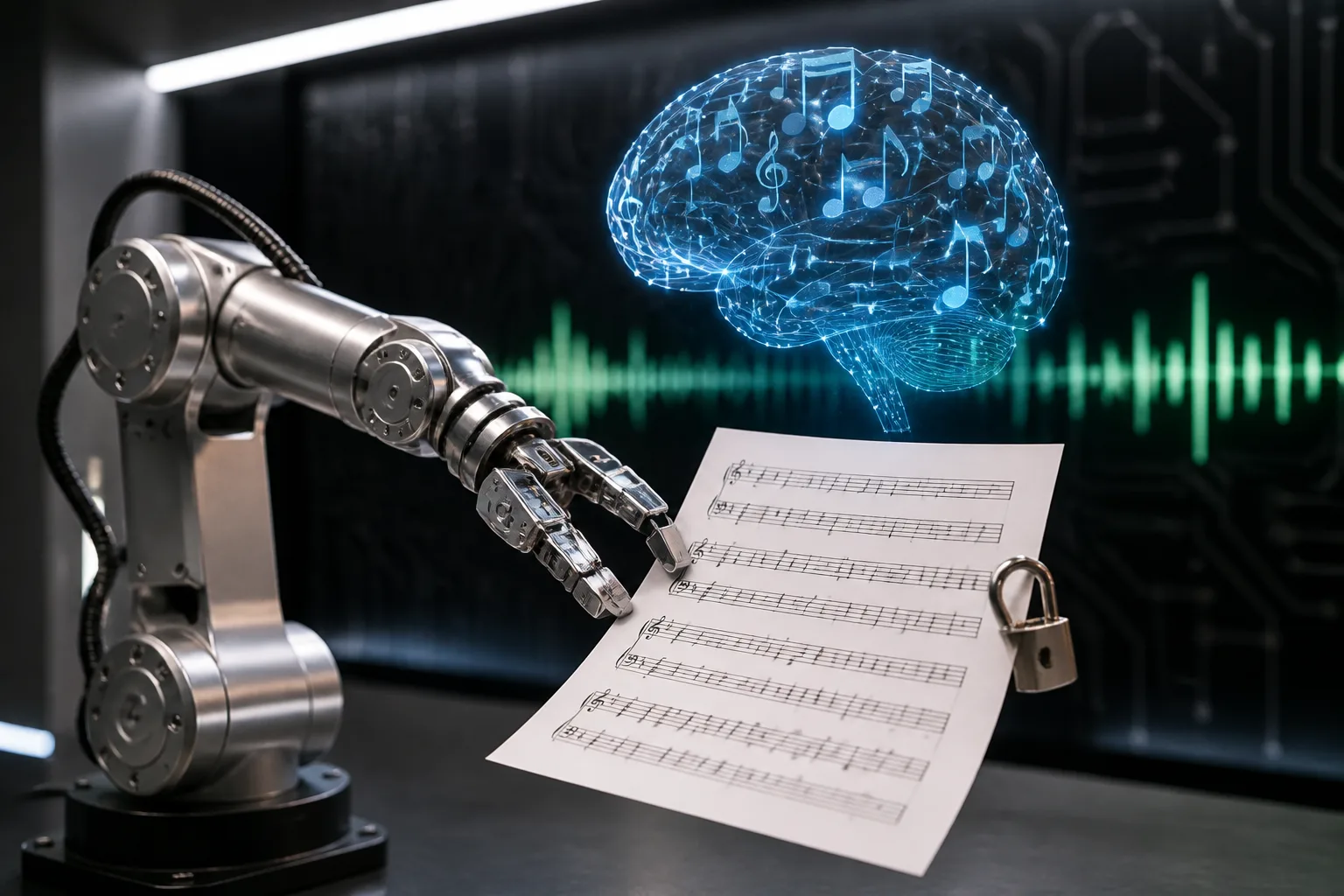
At its core, the deal hinges on two principles. First, music creators must explicitly allow their recordings or compositions to be fed into AI systems. Second, whenever those works leave a measurable imprint on an AI‑generated track, the original artists must be credited and compensated. Musical AI’s attribution engine dissects AI outputs, isolates the influence of each source recording or composition, and generates a report that can feed into licensing and royalty calculations.
Under the agreement, SOCAN will list Musical AI as an approved technology partner for attribution services. The two groups will also test additional solutions, including Musical AI’s consent‑management platform that turns opt‑in choices into clear, structured, and scalable data for creators.
SOCAN’s membership exceeds 200,000 songwriters, composers and publishers across Canada and beyond. The organization collects license fees and distributes royalties on their behalf. Musical AI, meanwhile, builds consent‑management and attribution infrastructure specifically for generative music, helping rights holders trace how licensed works shape AI‑generated outputs.
"As AI reshapes the music industry, music creators must have transparency, credit and fair compensation," said Jennifer Brown, CEO of SOCAN. "SOCAN’s role is to protect the rights and livelihoods of songwriters, composers and music publishers. This collaboration with Musical AI establishes a foundation for attribution and compensation, to ensure that music creators are paid when their music is used by AI."
Sean Power, CEO of Musical AI, echoed the focus on creator control. "Artists and songwriters should always retain control over their work as AI systems evolve," he said. "The first step is consent. The next step is attribution that can show how music contributes to an output and how value should flow to artists and songwriters. Working with SOCAN helps place music creators at the center of a rights‑respecting model for AI and music."
Evan Solomon, Minister of Artificial Intelligence and Digital Innovation, framed the partnership within a national context. "At its core, this partnership is about supporting Canadian songwriters and composers whose work strengthens our culture and economy," he said. "It is encouraging to see Musical AI and SOCAN working together to address an important challenge in the AI era: helping ensure that creators and their work can be properly identified and attributed."
The collaboration arrives amid a broader industry trend. Generative AI models are increasingly used to compose music for films, games, advertising and streaming services. Without a reliable attribution system, creators risk losing visibility and revenue. By integrating opt‑in consent and automated attribution, SOCAN and Musical AI aim to provide a transparent mechanism that can scale to the millions of AI‑generated tracks that may be produced each year.
The partnership also signals a shift in how rights organizations approach emerging technologies. SOCAN’s recognition of an external technology partner marks a move toward leveraging specialized tools rather than building all capabilities in‑house. The planned exploration of consent‑management tools suggests that SOCAN intends to offer its members a suite of services that can be applied across different AI platforms.
In short, SOCAN’s partnership with Musical AI establishes a framework that requires songwriters to opt‑in to AI use and guarantees attribution and compensation when their works influence AI‑generated music. The collaboration reflects the growing need for robust rights‑management infrastructure in the age of generative AI and positions SOCAN to better protect its members’ interests.
At its core, the deal hinges on two principles. First, music creators must explicitly allow their recordings or compositions to be fed into AI systems. Second, whenever those works leave a measurable imprint on an AI‑generated track, the original artists must be credited and compensated. Musical AI’s attribution engine dissects AI outputs, isolates the influence of each source recording or composition, and generates a report that can feed into licensing and royalty calculations.
Under the agreement, SOCAN will list Musical AI as an approved technology partner for attribution services. The two groups will also test additional solutions, including Musical AI’s consent‑management platform that turns opt‑in choices into clear, structured, and scalable data for creators.
SOCAN’s membership exceeds 200,000 songwriters, composers and publishers across Canada and beyond. The organization collects license fees and distributes royalties on their behalf. Musical AI, meanwhile, builds consent‑management and attribution infrastructure specifically for generative music, helping rights holders trace how licensed works shape AI‑generated outputs.
"As AI reshapes the music industry, music creators must have transparency, credit and fair compensation," said Jennifer Brown, CEO of SOCAN. "SOCAN’s role is to protect the rights and livelihoods of songwriters, composers and music publishers. This collaboration with Musical AI establishes a foundation for attribution and compensation, to ensure that music creators are paid when their music is used by AI."
Sean Power, CEO of Musical AI, echoed the focus on creator control. "Artists and songwriters should always retain control over their work as AI systems evolve," he said. "The first step is consent. The next step is attribution that can show how music contributes to an output and how value should flow to artists and songwriters. Working with SOCAN helps place music creators at the center of a rights‑respecting model for AI and music."
Evan Solomon, Minister of Artificial Intelligence and Digital Innovation, framed the partnership within a national context. "At its core, this partnership is about supporting Canadian songwriters and composers whose work strengthens our culture and economy," he said. "It is encouraging to see Musical AI and SOCAN working together to address an important challenge in the AI era: helping ensure that creators and their work can be properly identified and attributed."
The collaboration arrives amid a broader industry trend. Generative AI models are increasingly used to compose music for films, games, advertising and streaming services. Without a reliable attribution system, creators risk losing visibility and revenue. By integrating opt‑in consent and automated attribution, SOCAN and Musical AI aim to provide a transparent mechanism that can scale to the millions of AI‑generated tracks that may be produced each year.
The partnership also signals a shift in how rights organizations approach emerging technologies. SOCAN’s recognition of an external technology partner marks a move toward leveraging specialized tools rather than building all capabilities in‑house. The planned exploration of consent‑management tools suggests that SOCAN intends to offer its members a suite of services that can be applied across different AI platforms.
In short, SOCAN’s partnership with Musical AI establishes a framework that requires songwriters to opt‑in to AI use and guarantees attribution and compensation when their works influence AI‑generated music. The collaboration reflects the growing need for robust rights‑management infrastructure in the age of generative AI and positions SOCAN to better protect its members’ interests.