
ArtistDirect News
Charles Mingus Battles 1960s Piracy With Mail-Order Record Club Amid Eviction and Industry Pushback
When Charles Mingus was evicted from his New York City apartment in 1966, he was also fighting a different kind of eviction—his own music being siphoned off by bootleggers.
The bassist‑composer’s eviction, caused by unpaid rent, exposed the financial strain that belied his prolific output. At the same time, his albums were being produced in limited quantities—only a few thousand copies per release—while demand from jazz aficionados outpaced supply. Unauthorized copies of studio and live recordings began to flood the market, and bootleg versions sold for prices that far exceeded the official releases. Mingus, already struggling to earn a living from his music, was furious that the royalties he deserved were disappearing.
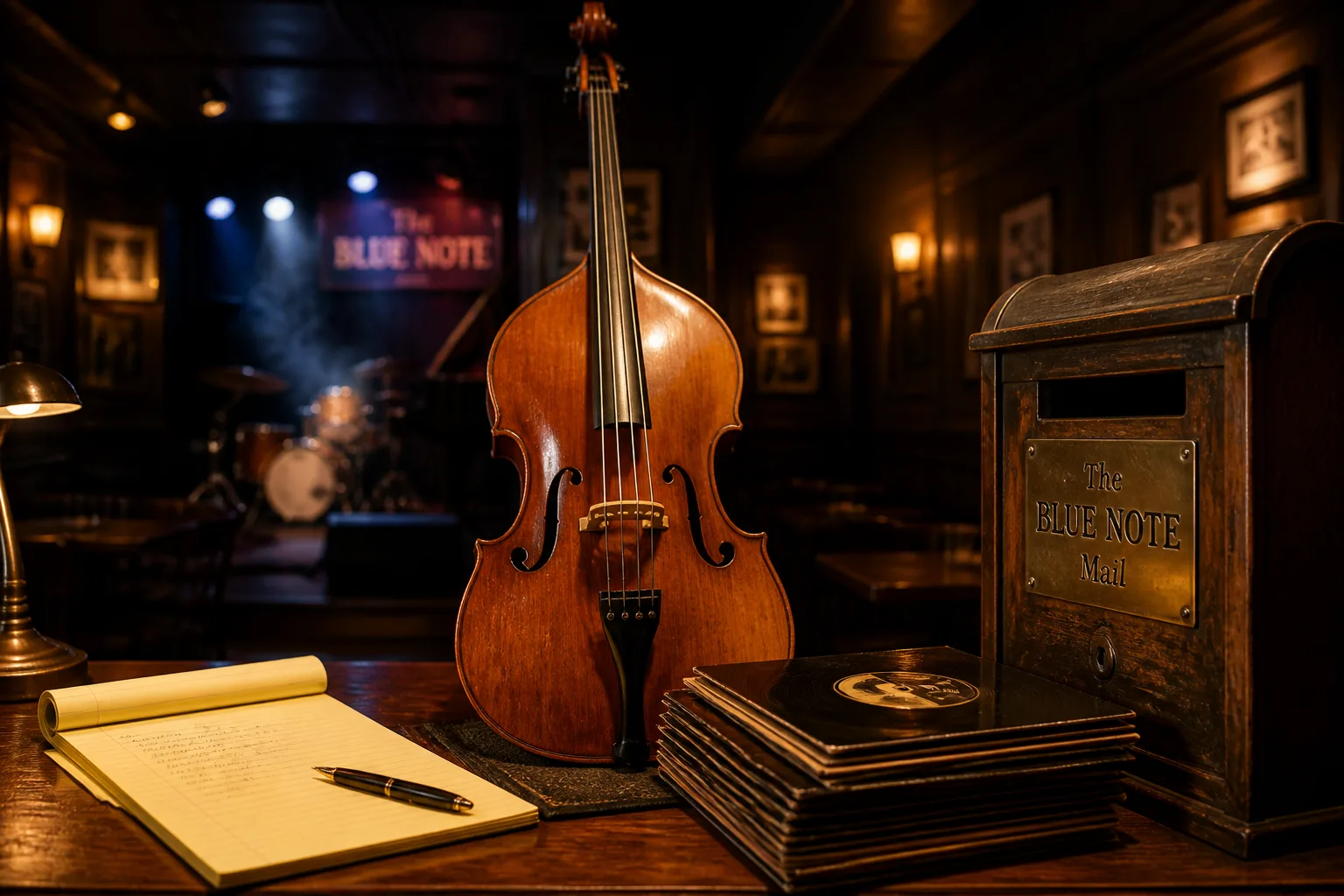
In response, Mingus founded Charles Mingus Enterprises and launched the Charles Mingus Record Club, a mail‑order service that let fans order new releases directly from him. The club bypassed traditional retail channels, ensuring that the artist received the full benefit of sales. The initiative was advertised in newspapers, featuring comic strips drawn by Eugene Bilbrew and other artists. A memorable illustration appeared in The Village Voice, depicting record stores selling bootleg Mingus albums under the counter, a visual indictment of the illicit market.
The Record Club was an ambitious experiment, but Mingus’s lack of experience with record‑label bureaucracy proved costly. Many orders were delayed or never fulfilled, and subscribers complained of long wait times. The novelty of a direct‑to‑consumer model could not overcome the logistical hurdles of inventory management, shipping, and payment processing. After a few years, the club was shut down—a failure that contributed to Mingus’s mental breakdown and his temporary withdrawal from the public eye.
Mingus returned to the spotlight in the early 1970s. By then, audiences had grown to expect his performances, and he was booked for some of the largest shows of his career. The increased demand forced labels to print larger quantities of his albums, reducing the scarcity that had fueled bootlegging. In addition, Mingus published his autobiography, Beneath the Underdog, which helped re‑establish his reputation and provided an additional source of income. These developments gave him a level of creative freedom and financial stability that had eluded him in the 1960s.
Mingus’s story illustrates the long‑standing tension between artists and the distribution mechanisms that control their work. While the modern era has shifted piracy into digital file sharing and streaming, the core issue remains: unauthorized distribution can undermine an artist’s earnings. His attempt to create a direct‑to‑consumer model foreshadowed later industry efforts to give artists more control over their catalogues. The experience also underscores how external pressures—such as eviction and label practices—can derail even the most determined musicians.
Today, Mingus’s legacy endures through ongoing performances of his compositions by ensembles such as the Mingus Big Band and the Mingus Dynasty. His battle against piracy remains a cautionary tale for musicians navigating the complex landscape of music rights and distribution.
The bassist‑composer’s eviction, caused by unpaid rent, exposed the financial strain that belied his prolific output. At the same time, his albums were being produced in limited quantities—only a few thousand copies per release—while demand from jazz aficionados outpaced supply. Unauthorized copies of studio and live recordings began to flood the market, and bootleg versions sold for prices that far exceeded the official releases. Mingus, already struggling to earn a living from his music, was furious that the royalties he deserved were disappearing.
In response, Mingus founded Charles Mingus Enterprises and launched the Charles Mingus Record Club, a mail‑order service that let fans order new releases directly from him. The club bypassed traditional retail channels, ensuring that the artist received the full benefit of sales. The initiative was advertised in newspapers, featuring comic strips drawn by Eugene Bilbrew and other artists. A memorable illustration appeared in The Village Voice, depicting record stores selling bootleg Mingus albums under the counter, a visual indictment of the illicit market.
The Record Club was an ambitious experiment, but Mingus’s lack of experience with record‑label bureaucracy proved costly. Many orders were delayed or never fulfilled, and subscribers complained of long wait times. The novelty of a direct‑to‑consumer model could not overcome the logistical hurdles of inventory management, shipping, and payment processing. After a few years, the club was shut down—a failure that contributed to Mingus’s mental breakdown and his temporary withdrawal from the public eye.
Mingus returned to the spotlight in the early 1970s. By then, audiences had grown to expect his performances, and he was booked for some of the largest shows of his career. The increased demand forced labels to print larger quantities of his albums, reducing the scarcity that had fueled bootlegging. In addition, Mingus published his autobiography, Beneath the Underdog, which helped re‑establish his reputation and provided an additional source of income. These developments gave him a level of creative freedom and financial stability that had eluded him in the 1960s.
Mingus’s story illustrates the long‑standing tension between artists and the distribution mechanisms that control their work. While the modern era has shifted piracy into digital file sharing and streaming, the core issue remains: unauthorized distribution can undermine an artist’s earnings. His attempt to create a direct‑to‑consumer model foreshadowed later industry efforts to give artists more control over their catalogues. The experience also underscores how external pressures—such as eviction and label practices—can derail even the most determined musicians.
Today, Mingus’s legacy endures through ongoing performances of his compositions by ensembles such as the Mingus Big Band and the Mingus Dynasty. His battle against piracy remains a cautionary tale for musicians navigating the complex landscape of music rights and distribution.