
ArtistDirect News
Studio 60 Reopens After 16-Month Renovation, Shifts From Latin Nights to EDM
After a 16‑month overhaul, Studio 60 swung open its doors on July 3, swapping salsa‑driven nights for a new focus on house, tech‑house and dubstep. The Miami nightclub, which has been a fixture in the Allapattah scene since 2006, now boasts a fresh look and a broader musical palette.
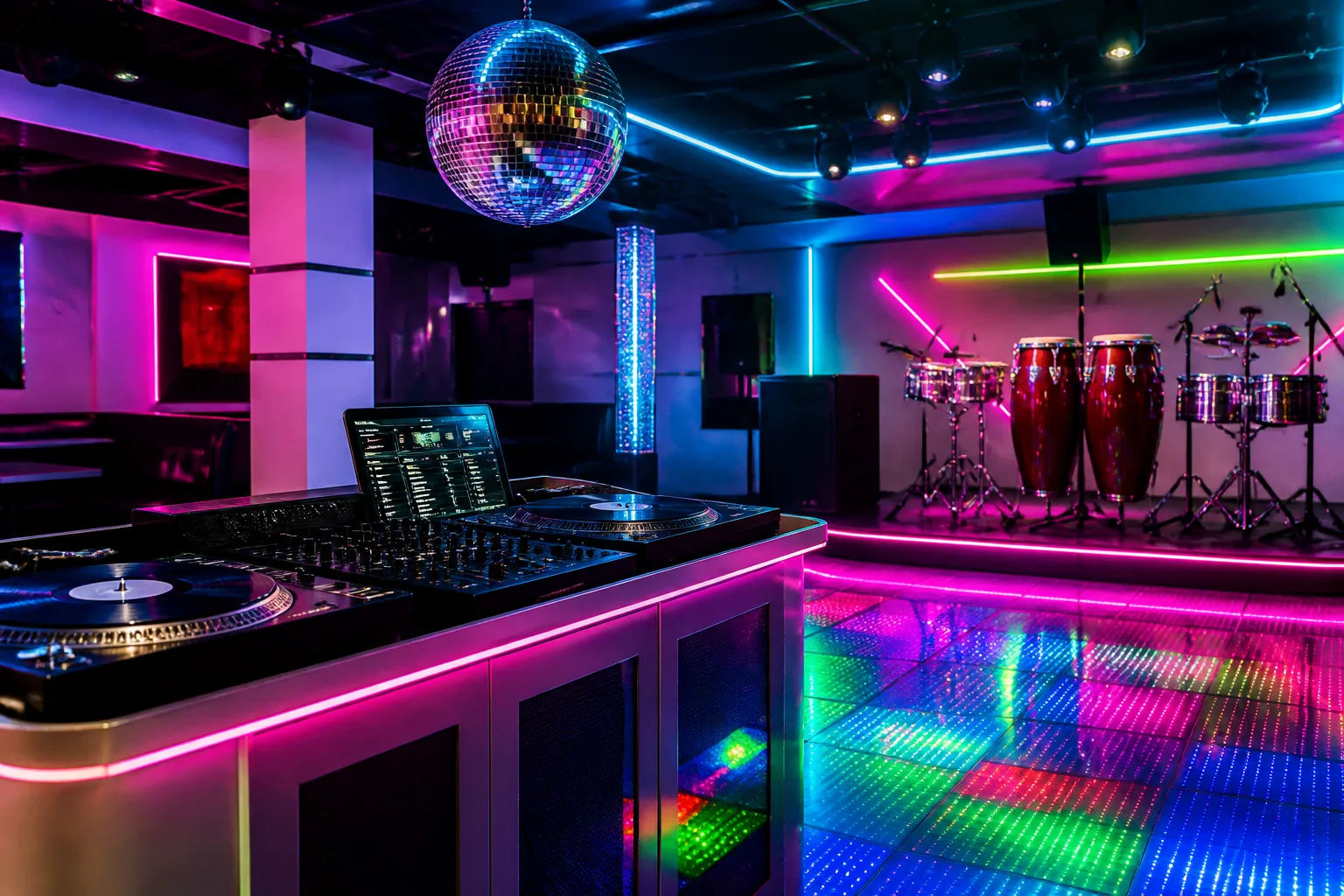
The renovation gave the venue a dual‑room layout, adding the Jungle Room and the Egyptian Room. New LED panels and a modern lighting rig illuminate the spaces, while a 23‑hour liquor license lets the club stay open well beyond the curfew that limits most venues in Wynwood and Miami Beach. According to Studio 60’s website, the expanded hours and upgraded facilities are part of a strategy to position the club as a key player in Miami’s fast‑growing dance‑music scene.
Ownership has brought in two seasoned executives to steer the new direction. Tyler Turnbull, who handles talent relations for Daer Nightclub in Hollywood, and Lucas Gilschenk, who runs operations at Fort Lauderdale’s Nowhere Lounge, now oversee Studio 60’s nightly programming. Gilschenk noted that Allapattah’s “grittier” environment, free of the residential constraints that often plague venues in other neighborhoods, is ideal for a club that wants to push boundaries.
The shift to electronic dance music is already evident. The soft opening featured Florida‑based house producer Rello, followed by a bass‑heavy double‑header with Benda and Vastive and Belgian tech‑house DJ Nightfunk. Turnbull explained that Studio 60 will book a wide spectrum of acts—from deep house to hard‑hitting dubstep—rather than focusing on a single sub‑genre. The club has already announced Flux Pavilion for a September 26 show, signaling its intent to attract larger names during the high season.
The two‑room layout allows Studio 60 to run multiple acts simultaneously. Gilschenk said the Jungle Room serves as the main space for now, while the Egyptian Room will come online as the schedule expands. The club maintains an inclusive atmosphere: VIP tables are available, but a spacious dance floor ensures that guests who don’t secure a table still have a place to move. The minimum spend for tables is lower than at many other Miami clubs, making the venue more accessible.
Studio 60’s reopening comes amid a broader shift in Miami nightlife. From the late 1980s to the early 2010s, South Beach venues like Mansion and GrooveJet dominated the scene. Downtown Miami gained prominence after the city introduced 24‑hour liquor licenses, spawning clubs such as Club Space and E11even. Wynwood’s nightlife has largely remained lounge‑centric, while newer industrial‑zone venues like Factory Town in Hialeah have pushed the city’s nightlife further south.
Gilschenk and Turnbull view Studio 60 as a “new nightlife destination” that blends genres under one roof. They emphasize that the club’s identity will evolve as the schedule grows, but the current focus is on creating an intentional experience that offers a variety of electronic‑music styles.
Studio 60’s reopening marks a significant change for a venue that has been part of Miami’s club scene for over a decade. The club’s new owners, upgraded facilities and expanded music programming signal a shift toward a more diverse, late‑night dance‑music experience in Allapattah.
For more information, visit studio60mia.com.
The renovation gave the venue a dual‑room layout, adding the Jungle Room and the Egyptian Room. New LED panels and a modern lighting rig illuminate the spaces, while a 23‑hour liquor license lets the club stay open well beyond the curfew that limits most venues in Wynwood and Miami Beach. According to Studio 60’s website, the expanded hours and upgraded facilities are part of a strategy to position the club as a key player in Miami’s fast‑growing dance‑music scene.
Ownership has brought in two seasoned executives to steer the new direction. Tyler Turnbull, who handles talent relations for Daer Nightclub in Hollywood, and Lucas Gilschenk, who runs operations at Fort Lauderdale’s Nowhere Lounge, now oversee Studio 60’s nightly programming. Gilschenk noted that Allapattah’s “grittier” environment, free of the residential constraints that often plague venues in other neighborhoods, is ideal for a club that wants to push boundaries.
The shift to electronic dance music is already evident. The soft opening featured Florida‑based house producer Rello, followed by a bass‑heavy double‑header with Benda and Vastive and Belgian tech‑house DJ Nightfunk. Turnbull explained that Studio 60 will book a wide spectrum of acts—from deep house to hard‑hitting dubstep—rather than focusing on a single sub‑genre. The club has already announced Flux Pavilion for a September 26 show, signaling its intent to attract larger names during the high season.
The two‑room layout allows Studio 60 to run multiple acts simultaneously. Gilschenk said the Jungle Room serves as the main space for now, while the Egyptian Room will come online as the schedule expands. The club maintains an inclusive atmosphere: VIP tables are available, but a spacious dance floor ensures that guests who don’t secure a table still have a place to move. The minimum spend for tables is lower than at many other Miami clubs, making the venue more accessible.
Studio 60’s reopening comes amid a broader shift in Miami nightlife. From the late 1980s to the early 2010s, South Beach venues like Mansion and GrooveJet dominated the scene. Downtown Miami gained prominence after the city introduced 24‑hour liquor licenses, spawning clubs such as Club Space and E11even. Wynwood’s nightlife has largely remained lounge‑centric, while newer industrial‑zone venues like Factory Town in Hialeah have pushed the city’s nightlife further south.
Gilschenk and Turnbull view Studio 60 as a “new nightlife destination” that blends genres under one roof. They emphasize that the club’s identity will evolve as the schedule grows, but the current focus is on creating an intentional experience that offers a variety of electronic‑music styles.
Studio 60’s reopening marks a significant change for a venue that has been part of Miami’s club scene for over a decade. The club’s new owners, upgraded facilities and expanded music programming signal a shift toward a more diverse, late‑night dance‑music experience in Allapattah.
For more information, visit studio60mia.com.