
ArtistDirect News
Colorado Survey Finds 33% of Residents Will Skip Summer Concerts and Festivals Due to Rising Costs
A third of Coloradoans are choosing silence over summer stage, according to the latest Summer Squeeze Survey released by Red Rocks Credit Union. The study, the second in a series, reveals that 33 % of respondents plan to forgo concerts, festivals, and other major summer events entirely, while a further 24 % remain undecided.
The findings mirror a broader pattern in which inflation and the rising cost of everyday living are tightening discretionary budgets across all age groups. From Gen Z to Gen X, fans are becoming more selective about where they spend money, a shift that is already reshaping the live‑music sector.
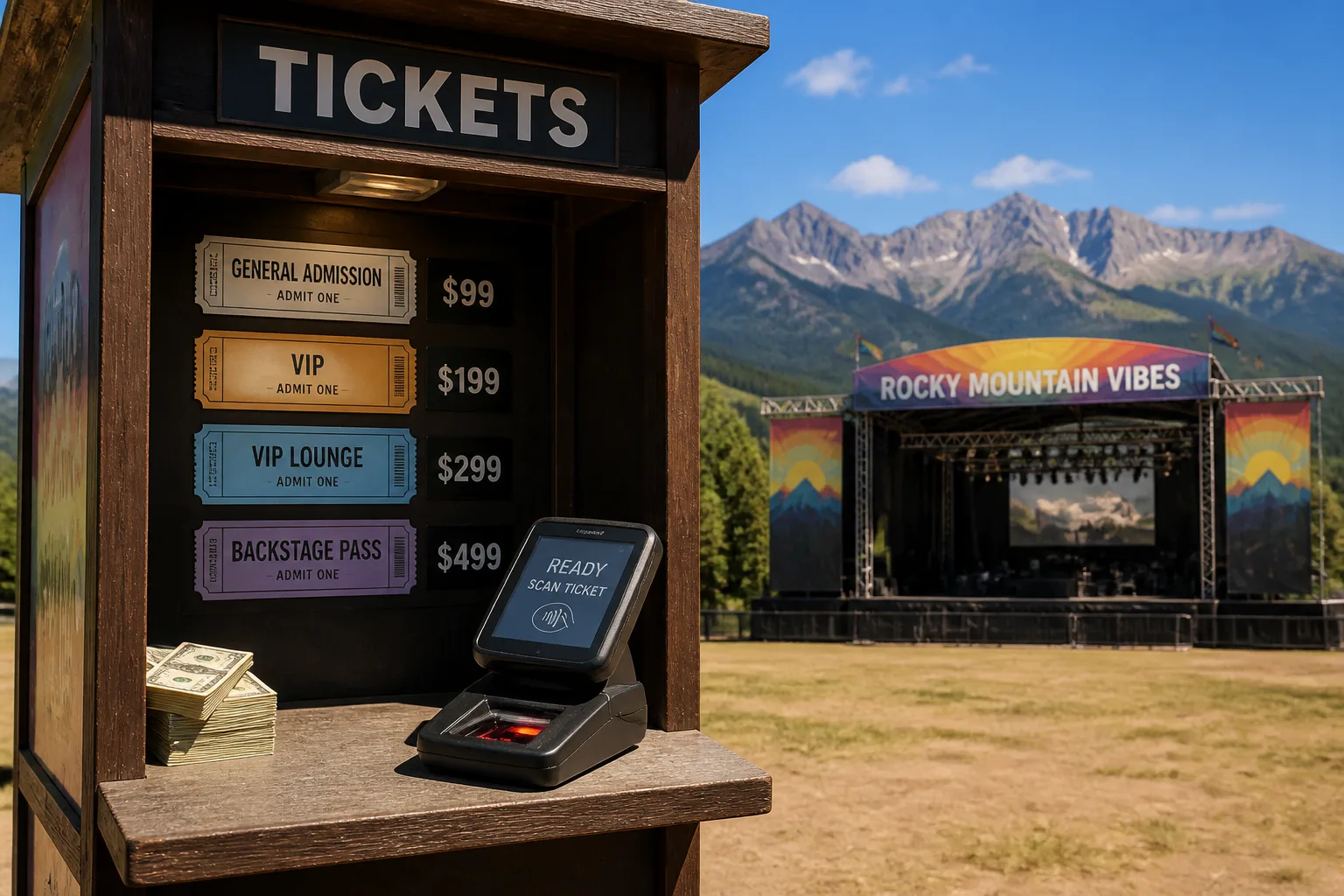
When asked why they might stay home, the survey pinpointed concrete cost drivers. A majority—59 %—named ticket prices as a major barrier, and 64 % cited transportation expenses as the primary reason for not attending. Ancillary costs also weigh heavily: nearly half of respondents said that overpriced food and beverage options at venues deter them, and 35 % noted that expensive lodging for destination festivals is a deterrent.
These price pressures do not spare higher‑income households. Participants earning between $50,000 and $100,000 annually were the most likely to identify both transportation costs and ticket prices as obstacles. This middle‑income group, which represents a large portion of Colorado’s population, therefore represents a key demographic for the live‑music industry.
The survey also documents a shift in leisure priorities. Outdoor recreation has surged to the top of many residents’ summer agendas, surpassing live‑music attendance. While iconic venues such as Red Rocks Amphitheatre and festivals like Global Dance, Country Jam, and Telluride Bluegrass continue to attract strong demand, smaller venues and festivals now face steeper competition for fan dollars.
Industry stakeholders are being urged to adapt. The study’s findings suggest that venues, festivals, and the artists who perform there must focus on transparent pricing and delivering overall value to keep mid‑tier touring financially viable. Transparent pricing would involve clear communication of ticket costs, transportation options, and ancillary charges, while overall value could be enhanced through bundled packages, local partnerships, or alternative pricing models.
The Red Rocks Credit Union survey is the first to quantify how rising costs are reshaping Colorado’s live‑music landscape. Its release comes at a time when the state’s music and festival season is already under pressure from broader economic forces. The results provide a data‑driven snapshot of the challenges facing the industry and the audiences that support it.
For venue operators, festival organizers, and touring artists, the survey underscores the importance of aligning pricing strategies with the financial realities of their audiences. By addressing the identified cost barriers—ticket prices, transportation, food and beverage, and lodging—stakeholders can better position themselves to retain attendance and sustain the viability of live‑music events in a high‑cost environment.
The survey’s results also serve as a call to action for policymakers and community leaders who support the arts. Understanding the specific financial hurdles that fans face can inform initiatives that promote affordable access to cultural events, ensuring that Colorado’s rich live‑music tradition remains accessible to a broad spectrum of residents.
In summary, the Summer Squeeze Survey shows that rising costs are prompting a significant portion of Colorado residents to skip summer concerts and festivals. The data highlights the need for transparent pricing and value‑focused strategies to maintain attendance and support the economic health of the live‑music sector in the state.
The findings mirror a broader pattern in which inflation and the rising cost of everyday living are tightening discretionary budgets across all age groups. From Gen Z to Gen X, fans are becoming more selective about where they spend money, a shift that is already reshaping the live‑music sector.
When asked why they might stay home, the survey pinpointed concrete cost drivers. A majority—59 %—named ticket prices as a major barrier, and 64 % cited transportation expenses as the primary reason for not attending. Ancillary costs also weigh heavily: nearly half of respondents said that overpriced food and beverage options at venues deter them, and 35 % noted that expensive lodging for destination festivals is a deterrent.
These price pressures do not spare higher‑income households. Participants earning between $50,000 and $100,000 annually were the most likely to identify both transportation costs and ticket prices as obstacles. This middle‑income group, which represents a large portion of Colorado’s population, therefore represents a key demographic for the live‑music industry.
The survey also documents a shift in leisure priorities. Outdoor recreation has surged to the top of many residents’ summer agendas, surpassing live‑music attendance. While iconic venues such as Red Rocks Amphitheatre and festivals like Global Dance, Country Jam, and Telluride Bluegrass continue to attract strong demand, smaller venues and festivals now face steeper competition for fan dollars.
Industry stakeholders are being urged to adapt. The study’s findings suggest that venues, festivals, and the artists who perform there must focus on transparent pricing and delivering overall value to keep mid‑tier touring financially viable. Transparent pricing would involve clear communication of ticket costs, transportation options, and ancillary charges, while overall value could be enhanced through bundled packages, local partnerships, or alternative pricing models.
The Red Rocks Credit Union survey is the first to quantify how rising costs are reshaping Colorado’s live‑music landscape. Its release comes at a time when the state’s music and festival season is already under pressure from broader economic forces. The results provide a data‑driven snapshot of the challenges facing the industry and the audiences that support it.
For venue operators, festival organizers, and touring artists, the survey underscores the importance of aligning pricing strategies with the financial realities of their audiences. By addressing the identified cost barriers—ticket prices, transportation, food and beverage, and lodging—stakeholders can better position themselves to retain attendance and sustain the viability of live‑music events in a high‑cost environment.
The survey’s results also serve as a call to action for policymakers and community leaders who support the arts. Understanding the specific financial hurdles that fans face can inform initiatives that promote affordable access to cultural events, ensuring that Colorado’s rich live‑music tradition remains accessible to a broad spectrum of residents.
In summary, the Summer Squeeze Survey shows that rising costs are prompting a significant portion of Colorado residents to skip summer concerts and festivals. The data highlights the need for transparent pricing and value‑focused strategies to maintain attendance and support the economic health of the live‑music sector in the state.