
ArtistDirect News
Prince Estate Faces Backlash Over Undisclosed Horn Overdubs on New Album "Timeless"
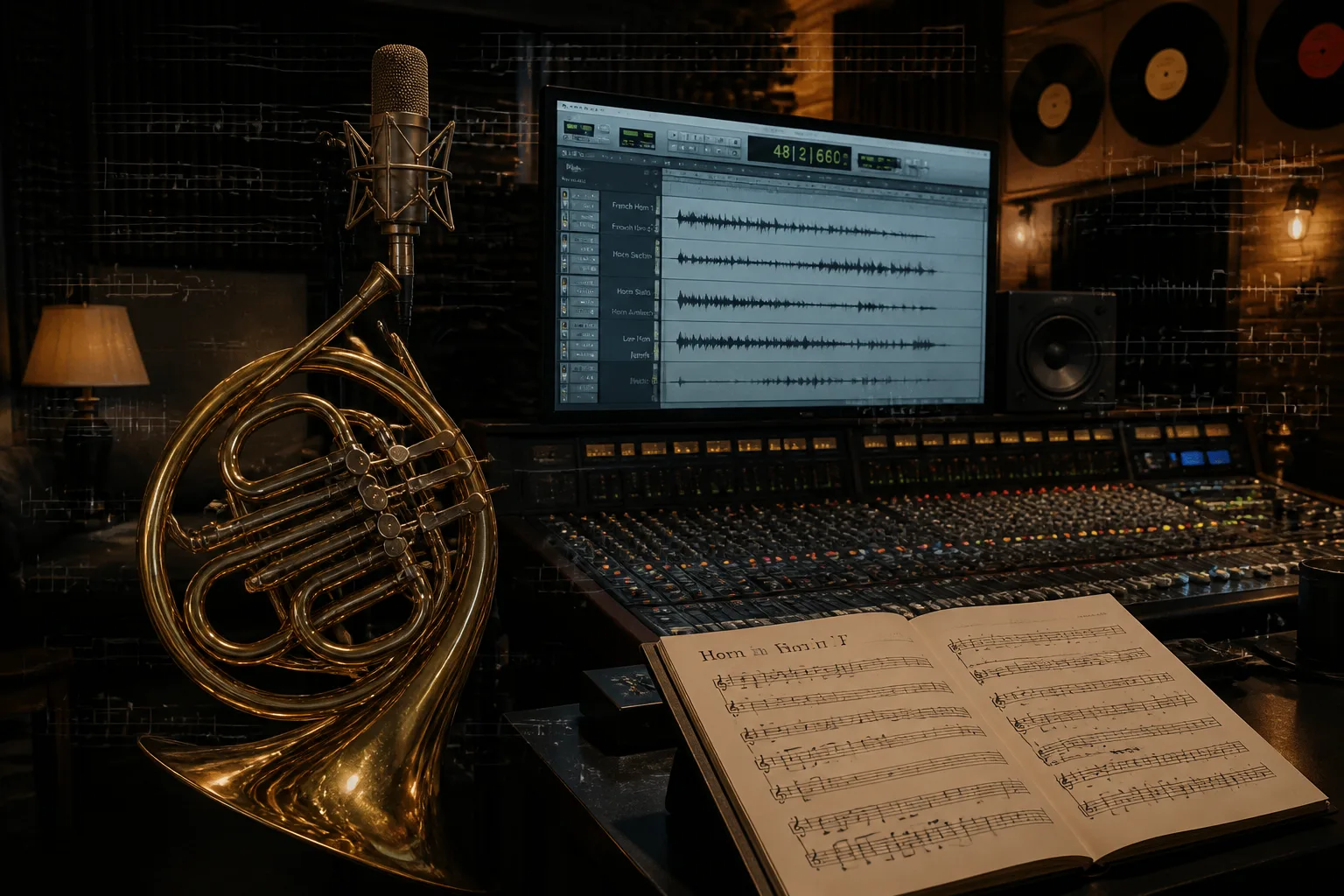
On August 28, 2026, the Prince Estate unveiled Timeless, a retrospective collection that, to the surprise of many, includes freshly overdubbed horn lines absent from the 2003 original of “Calabama.” Those additions, inserted in 2026, were omitted from the album’s promotional rollout.
The estate had claimed that every track on Timeless was a pristine recording from 1977 to 2016, a claim shattered when trombonist Greg Boyer shared on Facebook that he had added a horn part to “Calabama” this year. In response, Charles Spicer Jr., co‑principal of Prince Legacy LLC, posted an apology on X, admitting, “I stated that nothing had been edited or added to ‘Calabama.’ I’ve since confirmed that the released version includes additional horns, so that statement was not accurate, and I will take responsibility for what I stated.”
Fans reacted swiftly, with Hungarian devotee Kares Balogh describing the discovery as “appalled and heartbroken” and launching a petition demanding Spicer and Londell McMillan resign from the estate. The petition, now boasting over 250 signatures, includes a poignant comparison from a supporter named Nichole, who likened the change to “painting over the Mona Lisa,” insisting that listeners deserve unaltered Prince.
McMillan, the other co‑manager, was unreachable for comment. Later that Thursday, the estate’s Instagram clarified the horn inclusion: “At the bridge of ‘Calabama,’ Prince’s vocal cues for ‘horns’ were originally filled by a synthesizer on the archived multitrack. Horn players who had worked with Prince later dubbed into that space, and this version was released on ‘Timeless.’”
Chris James, a producer who collaborated with Prince in the late 2000s, was tapped to helm Timeless. He enlisted musicians such as Adrian Crutchfield and Michael B. Nelson to add overdubs to older tracks. Nelson declined to contribute new parts but confirmed his performance on the 2012 song “Bestest Friend.” Crutchfield, a 2012 New Power Generation member, said James and Spicer had reached out recently but he had not yet listened to the album, leaving him uncertain whether his saxophone appears on “Calabama.” He conceded that fans are justified in their frustration and that adding new elements differs from claiming all tracks are untouched.
Donny English, a Baltimore lawyer known for critiquing the estate’s stewardship, branded the album a “debacle.” He added that Timeless is the first Prince release he has refused to purchase since 1978, arguing it fails to capture Prince’s artistic spirit. English listed several perceived missteps by Prince Legacy LLC: the $26.5 million “Purple Rain” musical in Minneapolis, an unfinished Ezra Edelman‑directed Netflix documentary, and the estate’s inability to deliver a promised film.
Critics have largely been unimpressed. Rolling Stone’s Michaelangelo Matos dismissed the collection as “lacking dynamism and flair,” likening it to a set of outtakes assembled in about fifteen minutes. He added that the album feels “flat, like a club soda left out in the sun.” In a Substack column, Stephen Thomas Erlewine noted that the compilation, “scrubbed of the eccentricities that gave even his half‑hearted latter‑day efforts personality,” makes Prince appear “boring.”
The uproar underscores the fraught nature of posthumous releases. Prince Legacy LLC and Primary Wave, the joint owners of the estate, have faced criticism for their handling of Prince’s catalog since their partnership formed four years ago. The current dispute centers on transparency and artistic integrity, with fans demanding that future projects reflect the original recordings without hidden alterations.
For now, the estate has issued an apology for the earlier misstatement regarding “Calabama,” but has not outlined any remedial steps. The petition and fan outcry persist across social media and Change.org, and the estate’s broader response to the controversy remains pending.
The estate had claimed that every track on Timeless was a pristine recording from 1977 to 2016, a claim shattered when trombonist Greg Boyer shared on Facebook that he had added a horn part to “Calabama” this year. In response, Charles Spicer Jr., co‑principal of Prince Legacy LLC, posted an apology on X, admitting, “I stated that nothing had been edited or added to ‘Calabama.’ I’ve since confirmed that the released version includes additional horns, so that statement was not accurate, and I will take responsibility for what I stated.”
Fans reacted swiftly, with Hungarian devotee Kares Balogh describing the discovery as “appalled and heartbroken” and launching a petition demanding Spicer and Londell McMillan resign from the estate. The petition, now boasting over 250 signatures, includes a poignant comparison from a supporter named Nichole, who likened the change to “painting over the Mona Lisa,” insisting that listeners deserve unaltered Prince.
McMillan, the other co‑manager, was unreachable for comment. Later that Thursday, the estate’s Instagram clarified the horn inclusion: “At the bridge of ‘Calabama,’ Prince’s vocal cues for ‘horns’ were originally filled by a synthesizer on the archived multitrack. Horn players who had worked with Prince later dubbed into that space, and this version was released on ‘Timeless.’”
Chris James, a producer who collaborated with Prince in the late 2000s, was tapped to helm Timeless. He enlisted musicians such as Adrian Crutchfield and Michael B. Nelson to add overdubs to older tracks. Nelson declined to contribute new parts but confirmed his performance on the 2012 song “Bestest Friend.” Crutchfield, a 2012 New Power Generation member, said James and Spicer had reached out recently but he had not yet listened to the album, leaving him uncertain whether his saxophone appears on “Calabama.” He conceded that fans are justified in their frustration and that adding new elements differs from claiming all tracks are untouched.
Donny English, a Baltimore lawyer known for critiquing the estate’s stewardship, branded the album a “debacle.” He added that Timeless is the first Prince release he has refused to purchase since 1978, arguing it fails to capture Prince’s artistic spirit. English listed several perceived missteps by Prince Legacy LLC: the $26.5 million “Purple Rain” musical in Minneapolis, an unfinished Ezra Edelman‑directed Netflix documentary, and the estate’s inability to deliver a promised film.
Critics have largely been unimpressed. Rolling Stone’s Michaelangelo Matos dismissed the collection as “lacking dynamism and flair,” likening it to a set of outtakes assembled in about fifteen minutes. He added that the album feels “flat, like a club soda left out in the sun.” In a Substack column, Stephen Thomas Erlewine noted that the compilation, “scrubbed of the eccentricities that gave even his half‑hearted latter‑day efforts personality,” makes Prince appear “boring.”
The uproar underscores the fraught nature of posthumous releases. Prince Legacy LLC and Primary Wave, the joint owners of the estate, have faced criticism for their handling of Prince’s catalog since their partnership formed four years ago. The current dispute centers on transparency and artistic integrity, with fans demanding that future projects reflect the original recordings without hidden alterations.
For now, the estate has issued an apology for the earlier misstatement regarding “Calabama,” but has not outlined any remedial steps. The petition and fan outcry persist across social media and Change.org, and the estate’s broader response to the controversy remains pending.